
fire rated glass panel
Understanding the Importance of the 4-Foot Level with Ruler in Measurement and Construction In the world of measurement and construction, precision is key. Whether you're building a structure, creating a piece of art, or even engaging in a DIY project at home, the tools you use significantly impact the outcome of your work. One such indispensable tool is the 4-foot level with a ruler. This tool combines the functionality of a level and a measuring ruler, offering a versatile solution for a variety of tasks. Understanding the Importance of the 4-Foot Level with Ruler in Measurement and Construction When it comes to construction and carpentry, accuracy is paramount. A 4-foot level ensures that your measurements are precise over a longer span. This is particularly beneficial when working on flooring or constructing beams, as even a slight angle can lead to significant issues down the line. Floors that are not level can cause furniture to wobble, lead to structural instability, and even create problems with water drainage in certain scenarios. Consequently, utilizing a 4-foot level ensures that the foundation of your projects is as solid as possible. 4 foot level with ruler In addition to its leveling feature, the ruler aspect of the 4-foot level allows for easy measurement of distances and dimensions. The measuring tape or ruler integrated within the level typically features both imperial and metric units. This versatility is crucial for professionals and DIY enthusiasts alike, as it provides an easy means to measure and mark lengths directly on the material being worked with. This dual functionality saves time and reduces the number of tools needed for a job, enhancing efficiency. Another advantage of the 4-foot level with a ruler is its portability. Measuring 4 feet in length, it remains manageable while being long enough to handle most tasks. Its lightweight yet durable construction makes it easy to carry around a job site or to store in a workshop. Moreover, many models are designed to withstand rough handling, which is often encountered in construction environments. Learning to use a 4-foot level with a ruler effectively is a skill that can greatly enhance the quality of your work. For beginners, it is essential to understand how to read the level correctly and interpret the measurements accurately. Familiarizing oneself with the tool can lessen frustrations in the long run. Additionally, combining the use of a level with other tools such as a square or a tape measure can provide even greater accuracy. In conclusion, the 4-foot level with ruler is a valuable tool that epitomizes the importance of precision in measurement and construction. Its ability to provide accurate leveling over extended distances, combined with integrated measuring capabilities, makes it an essential item in the toolkit of anyone involved in building or crafting. Whether a professional contractor or an enthusiastic DIYer, embracing the 4-foot level can lead to improved quality in your work, contributing to successful, well-constructed projects that stand the test of time. Thus, it's more than just a tool; it's a gateway to achieving excellence in measurement and construction.
about
fire rated glass panel
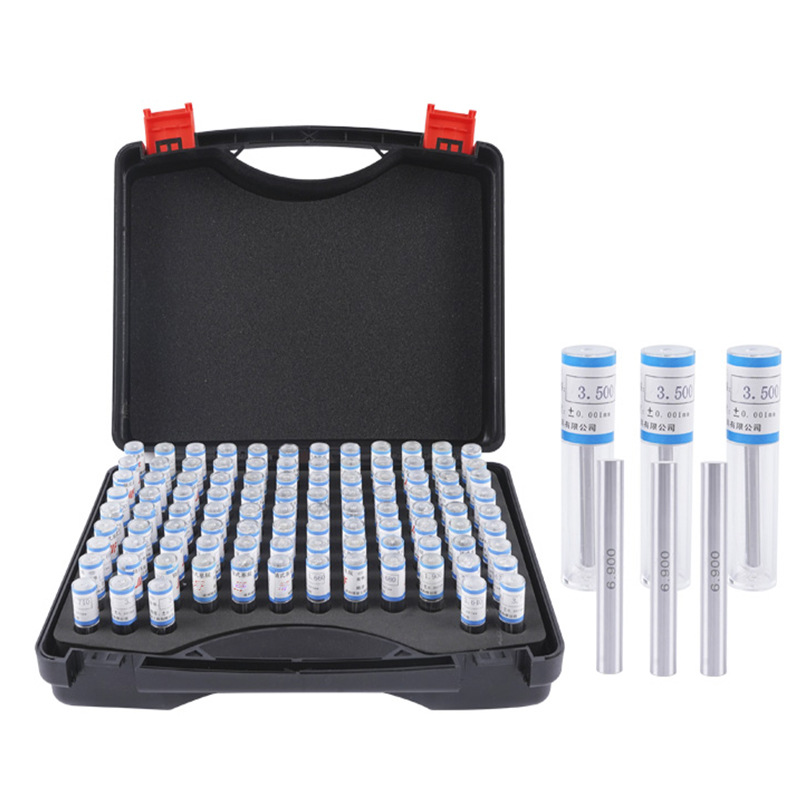
Go/No-Go Pin Gauge A Vital Tool for Quality Control In the world of manufacturing and quality control, precision is paramount. Engineers and quality assurance professionals are constantly in search of reliable methods to ensure that components meet their specified dimensions and tolerances. One of the most effective tools in this regard is the Go/No-Go pin gauge. This simple yet powerful instrument plays a crucial role in verifying the dimensional integrity of manufactured parts. Understanding Go/No-Go Pin Gauges A Go/No-Go pin gauge is a type of measuring tool used to determine if an object fits into a specified tolerance range. Essentially, it consists of two pins the Go pin and the No-Go pin. The Go pin measures the minimum acceptable dimension, while the No-Go pin measures the maximum allowable size. When a part is inserted into these pins, the outcome determines whether the part is acceptable or not. The fundamental principle behind the Go/No-Go gauge is to simplify the inspection process. Instead of relying on complex measuring instruments, operators can quickly and easily use these gauges to ensure that components meet critical specifications. This is especially important in industries such as aerospace, automotive, and electronics, where even the smallest deviation can result in significant failures. How It Works Using a Go/No-Go pin gauge is straightforward. The operator first inserts the Go pin into a hole or feature of the component being measured. If the pin fits easily and without force, the part passes the Go test, indicating that it meets the minimum requirement. Next, the operator checks the No-Go pin. If the No-Go pin fits into the same hole, the part fails the test, indicating it has exceeded the maximum allowable dimension. This binary method of measurement—pass or fail—makes Go/No-Go gauges extremely efficient. It eliminates the need for intricate calculations and reduces human error, allowing for a streamlined quality assurance process. go no go pin gauge Applications in Industry Go/No-Go pin gauges are widely used across various industries. In the automotive sector, they play a critical role in ensuring that engine parts, suspension systems, and safety features meet exacting standards. In aerospace, where safety is non-negotiable, these gauges help verify that components meet stringent regulatory requirements. Similarly, in the electronics industry, pin gauges ensure that connections and interfaces meet compatibility standards. Beyond these applications, Go/No-Go gauges are invaluable in any situation where dimensional conformity is critical. They are commonly used in machining, fabrication, and assembly processes, making them essential pieces of equipment for quality control departments. Advantages and Limitations One of the main advantages of Go/No-Go pin gauges is their simplicity. They are easy to use and require minimal training, allowing operators to quickly gain proficiency. They are also cost-effective compared to more sophisticated measuring devices. Additionally, the binary nature of the results allows manufacturers to implement quality checks swiftly without extensive data analysis. However, there are limitations to consider. Go/No-Go gauges do not provide specific measurements; they can only indicate whether parts fall within an acceptable range. Therefore, while they are excellent for basic quality checks, they may need to be used alongside more precise measuring tools for comprehensive inspection in critical applications. Conclusion In conclusion, Go/No-Go pin gauges are indispensable tools in the realm of manufacturing and quality control. They provide a practical solution for verifying dimensional accuracy, ensuring that components meet the required specifications. While they have limitations in terms of measurement precision, their ease of use and efficiency make them a staple in various industries. As manufacturing processes continue to evolve, the importance of reliable quality assurance tools like Go/No-Go pin gauges cannot be overstated. Maintaining high standards of quality not only reduces waste and rework but also ensures the safety and reliability of end products, ultimately benefiting both manufacturers and consumers alike.
-

High quality industrial productsagement

High quality industrial products
View Details -

Meet the diverse needs of customers

Meet the diverse needs of customers
View Details -

Strict quality control

Strict quality control
View Details -

Top raw materials

Top raw materials
View Details -

Trusted supplier

Trusted supplier
View Details
Our application


news and information
Valve check for preventing backflow in fluid systems an essential component.
A backcheck valve, also known as a non-return valve or check valve, is a crucial component in many i

Válvulas de compuerta y globo
Válvulas de compuerta y válvulas de globo Una comparación Las válvulas son componentes esenciales en
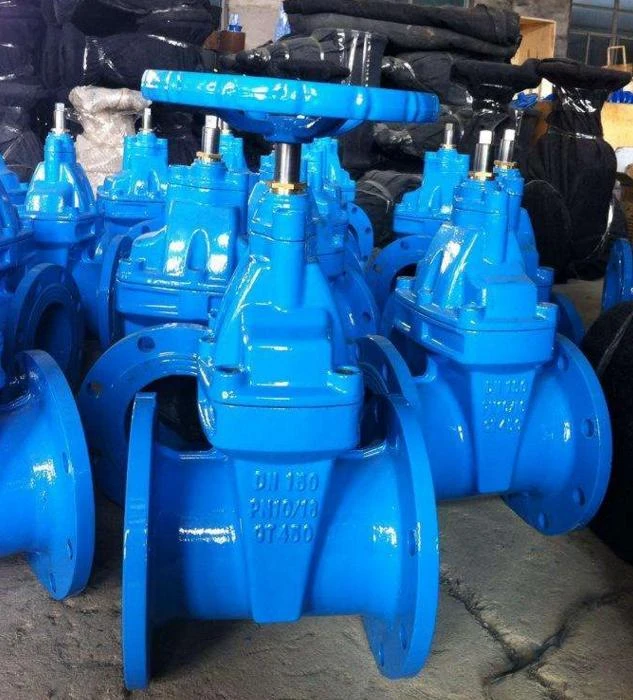
which way turn water valve off
How to Turn Off a Water Valve A Step-by-Step Guide Understanding how to turn off a water valve is an
 English